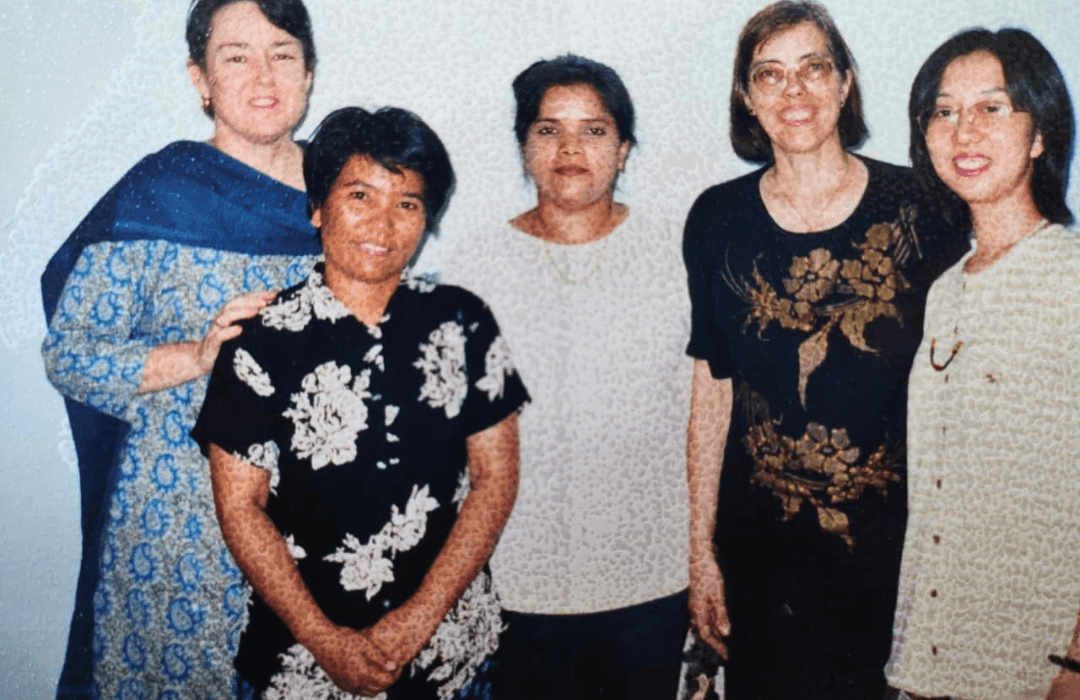
In a landmark outcome that reaffirms the power of sustained legal advocacy, 25 displaced tribal families from Churachandpur district, Manipur, have officially and legally reclaimed their ancestral land — after an 18-month battle fought alongside Tribal Welfare Society's legal team.
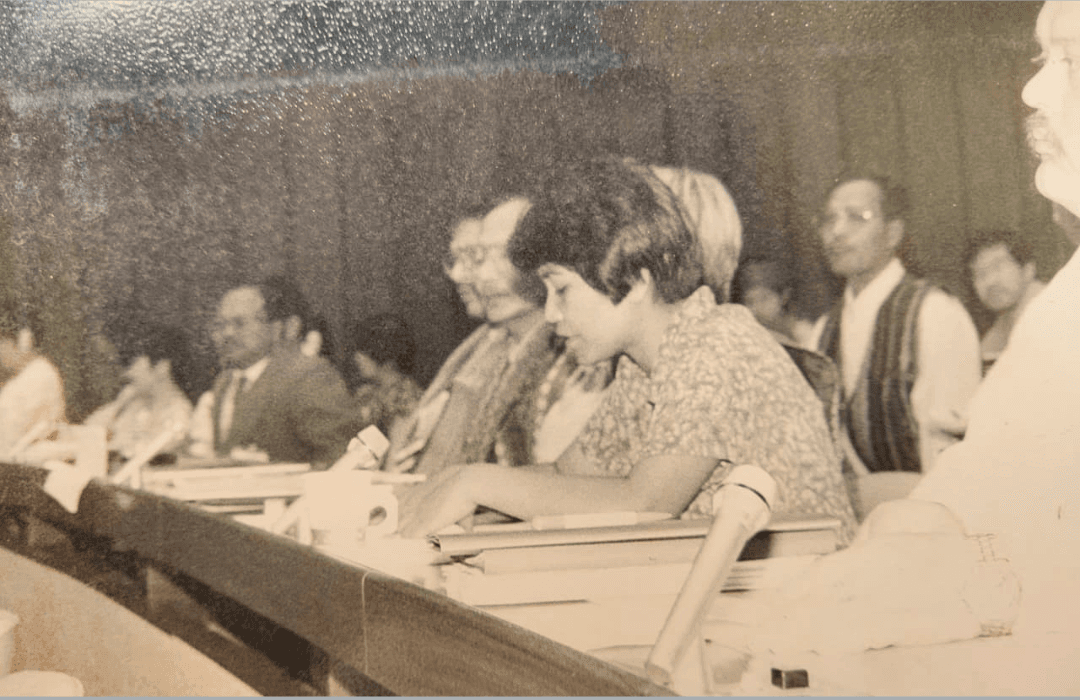
Background: The Displacement Crisis
The affected families — primarily from the Hmar and Zo Thadou communities — were forcibly displaced from their ancestral hill tracts during inter-ethnic unrest in 2022. Without land titles or formal documentation (a common vulnerability in tribal communities unfamiliar with bureaucratic land registration systems), they lost access to properties that had been home to their families for generations.
By 2024, when TWS field coordinators first encountered these families in a relief camp on the outskirts of Churachandpur, many had already exhausted their savings and were facing renewed eviction threats. Critically, none had received any formal legal counsel.
The Legal Strategy
Our legal team — in partnership with two constitutional lawyers from Imphal — immediately initiated a three-pronged approach:
- Documentation Recovery: Worked with village elders and district archives to surface oral histories, tax receipts, and pre-independence settlement records as evidence of ancestral occupation.
- Administrative Advocacy: Filed formal grievances with the District Collector, State Revenue Board, and the Manipur Hill Areas Committee, with constitutional backing.
- Community Legal Literacy: Conducted eight dedicated sessions with all 25 families so they fully understood their rights, the proceedings, and what to expect at each stage.
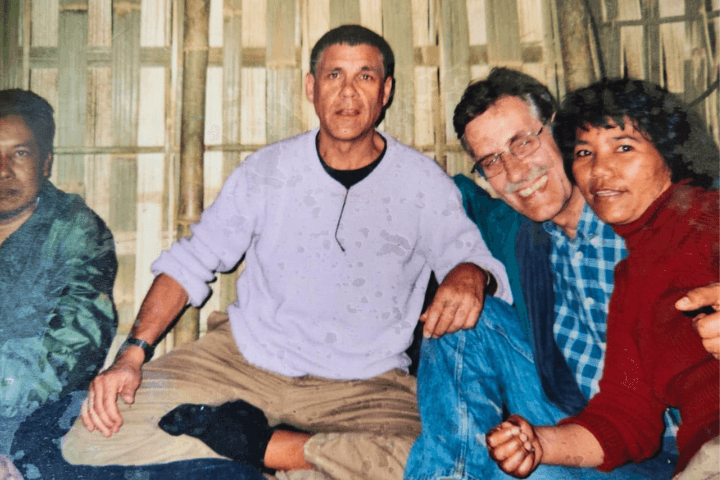
“Before TWS came, everyone told us to give up. That this was too difficult. That small people cannot win against those with connections. But they never gave up on us. Now my children will inherit what belongs to them.”— Lalnunmawi Hmar, Lead Petitioner Family
The Ruling & What It Means
On February 10, 2026, the Manipur Revenue Tribunal ruled in favour of all 25 petitioner families, directing immediate restitution of land and compensation for two years of wrongful displacement. The ruling explicitly cited constitutional protections under the Fifth and Sixth Schedules of the Indian Constitution.
More than the individual victory, this case sets a powerful legal precedent — and TWS is already preparing to use this ruling as a template for 12 similar pending cases across Manipur and Nagaland.